Thursday, March 4, 2021

LOOKING BACKWARDS - NOSTALGIA

Touring Singye Dzong area for Cordyceps sinensis - A report


Jigme Tshelthrim Wangyal

&

Karma Jamtsho

Neten Tshering

Tshewang Dorji

July 9, 2006

Initial trip itinerary for the tour as planned

16/06/2006 - Yadi (Mongar) to Khoma (For Serzhong staffs)

17/06/2006 - Khoma to Tsangwa

18/06/2006 - Tsangwa to Thangkarmo

19/06/2006 - Thangkarmo to Raelmoteng (Rongmateng for most)

20/06/2006 - Raelmoteng (Halt at Raelmoteng for meeting with locals)

21/06/2006 - Raelmoteng to Phomoche

22/06/2006 - Phomoche to Thangchenpo

23/06/2006 - Thangchenpo to Garula

24/06/2006 - Garula (halt for meeting with Shingphel colleagues)

25/06/2006 - Garula to Thangchenpo

26/06/2006 - Thangchenpo to Phomoche

27/06/2006 - Phomoche to Raelmoteng

28/06/2006 - Raelmoteng to Singye Dzong

29/06/2006 - Singye Dzong (Halt for meeting with Dubdhey Lam and others)

30/06/2006 - Singye Dzong to Youmthrameyma Latsho

01/07/2006 - Youmthrameyma Latsho to Singye Dzong

02/07/2006 - Singye Dzong to Neyrimthang

03/07/2006 - Neyrimthang to Tshokar

04/07/2006 - Tshokar to Neyrimthang

05/07/2006 - Neyrimthang to Singye Dzong

06/07/2006 - Singye Dzong to Thangkarmo

07/07/2006 - Thangkarmo to Tsangwa

08/07/2006 - Tsangwa to Khoma

09/07/2006 - Khoma to Yadi (For Serzhong staffs)

 Touring group

  1. Mr. Karma Jamtsho, Park Range Officer, Khoma as Team Leader
  2. Mr. Neten Tshering, Park Guard, Khoma Park Range
  3. Mr. Jigme Tshelthrim Wangyal, Sr. Park Ranger, Serzhong Park Range
  4. Mr. Tshewang Dorji, Sr. Park Guard, Serzhong Park Range
  5. Mr. Tsaripa, Reesoop, Khoma Gewog, Lhuentse
Tour team at Youm Thramae Lhatsho

Abstract

 One of the main objectives of Bumdeling Wildlife Sanctuary is to maintain ecological integrity of the ecologically highly valuable snow capped mountains to their eternity. Keeping in mind the aforementioned mandate of the protected area two teams of staffs are deployed to the two border areas of Singye Dzong in Lhuentse and Shingphel in Trashiyangtse on annual basis during the months of June and July. This tour is mandated by the management plan, guided by the recent Royal Command allowing the residents of high altitude areas to harvest Cordyceps sinensis  and is recommended by the head of the management and the Department of Forests to understand the situation in the alpine areas and along the international borders.

 Specific objectives of the tour

As mentioned in the abstract part of the report the objectives of the tour are as per the management mandates mentioned below.

  1. Patrol the Cordyceps sinensis growing areas in and around Singye Dzong. 
  1. Control the entry of foreign intruders (if any) across Gangla - a pass known to have access to the Chinese occupied Tibet. The management has record of intruders collecting the medicinal plant, Cordyceps sinensis from our area.
  1. Issue permits for collection of Cordyceps sinensis to the residents of Singye Dzong as per the legalization guidelines of the Royal Government 2004 through Royal Command. However, this could not be done as the information for change in collection timing was received late.
  1.  To control and supervise the collection of the Fungi by the people who have been given legal right to do so with technical guidance from the Department of Forests.
  1. To inform the people of changes in dates about the collection timing. This year the last date for collection of the fungi was kept as 15th June unlike the past system of collection allowed till 30th June. The change in timing has been based on the recommendations of the research wing of the Agriculture Ministry of the Royal Government.
  1. To check any illegal activities that happen in the fur flung areas of the protected area
  1. Update and inform the management of any new things that are happening across the touring area.
  1. Check and update people of this terrains about the latest changes in forest rules
  1. Support rural people through observation and recommendations to the management as to how the things have to happen as per law so they are benefited.

Part I: Cordyceps sinensis monitoring and collection

 I. Cordyceps sinensis habitats in Khoma Park Range specifically Singye Dzong areas

From the experiences in the past two years and this year and as per the information received from the local residents the following are the areas where Cordyceps sinensis are known to grow either in pieces or in plenty;

1. Tshomkoh crossing Thangchenpo 


This place called Tshomkoh at an altitude of about 4600m is known to have Cordyceps


2. Lehikema below Thangchenpo
Lehikema (4000m) also known for having Cordyceps had not a piece this time

3. Thangchenpo (4255m)
Even the research plot laid in June 2005 at Thangchenpo did not bear a single Cordyceps

4. Garula (5055m) Pemithang (4200m)Even at Garula Pemithang (area under Dungzam Park Range) where plenty are known to grow (according to local sources) one could hardly find the Cordyceps accepting our local guide Kookpa Sonam Jamtsho resident of Thangchenpo who could locate at least six pieces of them in about one and half hour.

5. Neyrimthang
Neyrimthang above Singye Dzong, which is known for the fungus, was found as bare as other Cordyceps growing areas this year

6. Youm Thramayma Latsho area
Areas around this basin is known to grow Cordyceps in the past save for this year

7. Tshokar and Tshonag basins
    Tshokar with Gangla (international border) in background         Tshonag basin dark and deep   

The areas around this two lakes are known to have Cordyceps but for this year

Ophiocordyceps sinensis economically viable and ecologically high mountains species

II. Other Cordyceps habitats in the Park Range having minimal growth - lower areas

  1. The ridge across Phuna

 According to the local residents a larger kind of Cordyceps used to be found on the ridge crossing Phuna (mixed conifer and cool broadleaved forest). The place is about two hours walk from Tsikang JCP (Joint Check Post) of Royal Bhutan Army and Indian Army at an altitude of about 2780m with the geo-coordinate of 910 18' 73" Easting and 270 49' 81" Northing. The place has at least two herders hut and is known to keep yaks in winter months.                                        

  1. Thangkarmo

 This place a common halting place for all the visitors' alike, pilgrims, officials on duty or anyone faring well to Singye Dzong is known to show some kind of Cordyceps. Herders say that they fungi are found among the grasses and in the bushes while looking for others things they require. According to the residents these are not worth collecting as only negligible quantity of them are found.

 Julue and Toe Toe Japhu area

 They are also known to grow in the localities mentioned above but in small quantities. The geo-coordinates, altitude and the quantum of Cordyceps grown are presented below in the table.

  1. Dhogsoom & Terja areas

 Cordyceps are also found in the aforementioned areas though not in large quantities. According to them those Cordyceps found in the forests are larger and have taller appearances than those found in the alpine areas.

III. Geo - locations of the Cordyceps growing sites in the Range as understood so far

  1. Higher areas meaning alpine meadows

Cordyceps growing place

Altitude (m)

X geo-coordinates

Y geo-coordinates

Approximate Quantity

Tshomkoh

4539

910 26' 56"

270 55' 51.1"

Available but little

Lehikema

4000

910 27' 01"

270 57' 20"

Available but little

Thangchenpo

4250

910 26' 65"

270 58' 25"

Available but little

Garula

5043

910 26' 41.9"

270 56' 33.7"

Better than other areas

Neyrimthang

4005

910 18' 42"

270 01' 50"

Better than other areas

Youm Thramayma Latsho

4774

910 16' 20.2"

270 56' 06.7"

Better than other areas

Tshokar

4256

910 17' 42"

270 00' 54"

Available but little

Tshonag

4250

910 17' 27"

270 59' 92"

Available but little

Toenlay

4000

910 27' 01"

270 57' 20"

Available but little


b. Lower areas meaning forested grazing areas below 3500m

Cordyceps growing place

Altitude (m)

X geo-coordinates

Y geo-coordinates

Approximate quantity

Phuna

2780

910 18' 73"

270 49' 81"

Large fungi but negligible

Chuna

2870

910 19' 13"

270 51' 03"

Large fungi but negligible

Thangkarmo

2900

910 19' 45"

270 53' 40"

Large fungi but negligible

Julue

3030

910 19' 18"

270 52' 69"

Large fungi but negligible

Toe Toe Japhu

3082

910 19' 52"

270 55' 01"

Large fungi but negligible

Terja

3100

910 20' 08"

270 55' 12"

Large fungi but negligible

Dhogsoom

3215

910 20' 36"

270 57' 18"

Large fungi but negligible


NB

 The approximate quantity part of the story in the table above pertains to the trend in the past and not this year. This year there was no collection owing to non - availability of the fungus added to it the close up of the collection timing to June 15 instead of June 30 in the past.

 IV. Reasons for non - availability of the Cordyceps sinensis this time

  1. Late visit to the fungi growing sites

While it is very difficult to mention the reasons as to why the fungi are missing this time it is possible that the fungi has already been matured and that the growing sites has been visited late this time. All the fungi thus got perished and so the sites bore no fungi during our visit.

  1. Possibly alternative year growth

The residents collected about a Bangchu (a platy traditional bamboo basket) of fungi last year and added the quantity to the auction, which means even in a good season the quantity, is not so high. Therefore, it can be inferred as the quantity being naturally less added to which is our colleagues suggesting and believing that the fungi may be growing better in alternative years that can be scientifically not true at all.

V. Recommendations regarding the collection of the fungi

  1. The team would like to suggest the early tour for the collection permission and monitoring in the coming years.
  1. The team also would like to suggest that further research be done as to really know the missing story this time.
  1. Since the collection made so far has been very less, the people be allowed to sale the product piece by piece on their own even if the collection is done in groups giving them the freedom to deal outside auction. So much time cannot be consumed such a little product.
  1. The collection be allowed as soon as the announcement has been made through BBS without having to wait for the Foresters arrival for issuing permit especially now as the research has allowed collection of what is available without having to keep some fungi on the ground unlike the past rule.

VI. Meeting with people of Raelmoteng

  1. Information passed

The Khoma Ranger passed on the message of the recent decision of the Royal Government to have the collection of Cordyceps done as per the suggestions made by Research wing of the Agriculture Ministry, which allows people to collect all Cordyceps available without having to keep any pieces on the ground unlike the past rules. He informed the people that the collection timing for the fungi has been differed to 15th June as the last date instead of 30th June unlike the last year. 

Some people suggested that the timing for them has not been good as the growth of the fungi would start only after the snow has been melted to which the Ranger informed them that such suggestions has been ordered by the Government with recommendations from the research. Therefore, they were to adhere to the orders of the Government.

One of the residents suggested that they be allowed to collect the fungi as soon as the BBS announcement without having to wait for Forest personnel to come to their place. The Ranger informed them that the matter would be taken up for discussion with the management and necessary information passed accordingly after discussing the issue with the management.

  1. Decision made

ü  All the matters discussed in the meeting to be passed to the management for solutions and that the information to be disseminated to them as soon as possible.

ü  That they will adhere to latest rules of the government while collecting the fungi

ü  That they will cooperate with the management in conservation activities in their area

Part II: Places of cultural importance and halt from Khoma till Singye Dzong

  1. Tsangwa - villages of Dhenchung and Khomakang first day halt. This village is in the Bumdeling Wildlife Sanctuary.
  1. Tsikang - JCP for RBA and Indian Army
  1. Bafoh and Terdaphu
  1. Tsikang Gongma
  1. Phuna - Pasture with herder's hut
  1. Chuna - Pasture with herder's hut
  1. Gonu/Loongpu - Pasture with herder's hut
  1. Julue - Pasture with herder's hut

  1. Thangkarmo - Public halt place with a shed - Place for second day halt
  1. Snow timing

The residents told us that the timing depended on snow. As soon as the snow melts the fungi would rise up just within two to three days and that it is always possible that late snow melt means degeneration of the fungi. Science may however suggest different after all common man's knowledge is common man's knowledge.

  1. False collection tactics

While faulty collection tactics can be one reason it cannot be ascertained without further research. It is therefore fair that growth shall be closely monitored in the coming years.

The Khoma Ranger and his staff colleague at Thangkarmo shed
 

 10. Manihog - Pasture with shed

11. Toe Toe Japhu a cave with history of a Lam finding a unique bird moving by

12. Bumdelaptsa and Terja (has shed) - a pasture

13. Dhoogsoom Diversion

14. Dhogsoom to Raelmoteng

15. Dhogsoom to Singye Dzong

16. From Raelmoteng it is Zoray, Melung Zampa, Jaloochagsa, Phomoche and finally Thangchenpo after which is Garula, Tshomkohla and Yandro.

Thangchenpo

Phomoche
Patrolling team at Garula from where BWS headquarter was contacted on the radio set

Part III: Wildlife sightings

 The following wild life sighted during the tour of the Cordyceps areas in Khoma Park Range

 1. Mammals

i.                   Blue sheep - Pseudios nayuar at Garula and Neyrim Dzong between Tshokar and Tshonag sighted

ii.                 Royle's Pika - Ochotona roylii in Singye Dzong sighted

iii.              Himalayan Serow - Nemerrhadous sumatraensis - sighted near Zoray

iv.               Musk Deer - Moschus chrysogaster droppings and bristles found at Phomoche

v.                 Beech Martin - Martes foina sighted before Yanglapang

vi.               A sounder of Sus scrofa found near Yanglapang

vii.           Himalayan/Siberian Weasel - Mustela sibirica, did not sight but saw the tree trunk hollow between Zoray and Raelmoteng while on journey. Our guide Mr. Chuthamba confirms from the book its presence in that particular tree trunk.

Himalayan Stoat/Ermine - Mustela erminea. Did not sight but its hide was used by one Mr. Thukten, a Raelmoteng monk as a hanging material for his drum used for Thraelma Rimdro as shown below

Mustela erminea hide found in the hands of a Tshampa

A Tshampa with Himalayan Stoat (Mustela erminea) hide hanging from his drum

This confirms the presence of the Himalayan Stoat and thus the number of mammal list increased in the master list.

i.                    Himalayan Black Bear - Ursus thibetanus. Tracks found on the way to Raelmoteng after Jaloochagsa.

Picture of Ursus thibetanus track between Milung Zampa and Jaloochagsa

i.                    Snow Leopard - Panthera uncia/Uncia uncia. Not sighted but confirmed by the kill the animal made out of yak yearlings.

Uncia uncia the king of the snows

2. Aves

 The Nature Conservation Division’s ornithologist a couple of years back has assessed the avian fauna of the Sanctuary. However to authenticate and genuine -nize his list what ever the group know and found has been listed below.  

i.                    Snow pigeon sighted at three different places viz. Garula, Tshokar and Thangchenpo

ii.                  Tibetan Snow Cock; its dead body found below Lehikema (Dechenphu)

The some predators of its kind could have killed the Tibetan Snow Cock

i.            White Capped Water Red Start at Singye Dzong

ii.                  Ruddy Shell Duck at Tshokar

iii.                Alpine Accentor below Phomoche

iv.                Rose Finches at Phomoche

v.                  White Collard Black Bird at Raelmoteng

vi.                Hill Partridge near Tsangwa

vii.              Snow Partridge at Garula

viii.            Blood Pheasant (Ithaginis cruentus) - one of the most versatile species in Singye Dzong areas.

ix.                Blue Whistling Thrush at Raelmoteng

x.                  Grandala at Singye Dzong

xi.                Spotted Nut Cracker at Youmthramayma Latsho

xii.              Sun birds on the way to Youmthramayma Latsho

xiii.            Red Billed Chough at Phomoche

These eggshells were left in its original place by the ever developing Ithaginis cruentus

NB

The list of birds presented above is those birds that we know and those we have found on our way. Being under know-ledged in aves so many of those found could not be recorded being unidentified for lack of skills and know how.


Part IV: Miscellany

 In this section all sorts of points that have been left out will be reported and mentioned made of any positive things to be shared and reported.

Wonderful flowers of Singye Dzong area

 a. Rheum nobile

 Locally called as Chukar Meto this flower can be found in Thangchenpo and Youm Thramayma Latsho area. A man asked the Serzhong Ranger about the difference of this flower tips. The ones found in Youm Thramayma Latsho area have red tips as shown in the picture where as the ones in Thangchenpo do not carry red tips, they are white. The Ranger could not answer but saw the difference himself as in pictures below.

Youm Thramayma Latsho area Rheum nobile with red tips
Thangchenpo Rheum nobile without any colour on the tips

b. Primula sikkimensis

These flowers almost all the time dominate the plains of the alpine areas and are a very beautiful flower.

These flowers are the beauties of the alpine meadow; Thangchenpo

  1. Rhododendron species

Locally known as Taap, this beautiful flower bearing Rhododendrons trees are the electricity for the alpine residents. They use them for heating themselves up, cooking and of course fencing which ever is suitable. There are however lot of other species as well.

The most common Rhododendron species found in Singye Dzong area

d. Meconopsis sinensis

Next to Primula are the Meconopsis species of flowers that occupy the alpine areas of Singye Dzong. Pictures below shall tell the flowers.

Meconopsis sinensis flower that abounds alpine Singye Dzong

The other variety of Meconopsis is Meconopsis horudula. Called as Guru Rimpoche's cucumber by local people for its stem can be roasted and eaten, this flower can be seen in abundance in Thangchenpo. This flower could be altitude specific as they are not seen lower down the valley of Raelmoteng and others.

Meconopsis horudula; Guru Rimpoche's cucumber 

e. Podophyllum species

A species known to have medicinal value this flower has been noted for the third time as this year. The flower's importance needs further studies so that they are understood better.

Podophyllum species that has high medicinal value languish in our Sanctuary

Some important pictures of the Sanctuary

Gawa Dzong the abode of Ap Terda Zorarakhi has been well repaired an year ago
Singye Dzong Guard Post with Sanctuary staffs in view
Raelmoteng Lhakhang built in 1973 by Kanjur Rimpoche today serve several purposes such as hall for praying to place for sleeping for the Guests of our caliber.
The Youm Thramayma Latsho fall that can cost thousand dollars if marketed is heart throbbing natural scene in our Sanctuary something one can be proud off

 Part V: Conclusion

 The overall view of the tour and touring group is hereby put in for considerations and comments from the management. While the objective of the tour must not have been fulfilled, for instance controlling of the intruders entering the Sanctuary area for collection of medicinal plants, the purpose of the tour could have been of little value owing to reasons such as non - availability of the Cordyceps because of which no entry of the intruders into our area. However, there can't be a guarantee that the people would not come along with another added no guarantee that the fungi will not grow. Therefore, the tour has to be made and information fed to the Government according to the situation.

 A mention may be made here that the Cordyceps has defied growing this time in all possible areas of Singye Dzong accept for Garula Pemithang which is not under the control of Lhuentse Dzongkhag nor the Khoma Park Range whose border follows the Dzongkhag borders when it comes to settling issues and issuing permits. Garula Pemithang belongs to Trashiyangtse Dzongkhag because of which only Trashiyangtse area people can benefit.

 All in all the growth of Cordyceps this time in Singye Dzong area has been nil, null or demeaning. The touring team to cross check if what the residents say is correct by making a visit to all possible sites has scoured all possible places. All possible fungi growing areas has been thoroughly checked and confirmation made.

 While Cordyceps production of higher volume may not be possible even hereafter, it may fare well if management skills are put to use after thorough research despite of its past records having revealed not so much of them growing in these areas.

 Therefore, the Sanctuary management in particular and the Government at large if workable may look into the possibilities of improving the growth of these fungi in the already favorable areas so that those people living in the tough areas can be immensely benefited. Our report however shall not mean that the studies should be done and that the people should be supported. It simply means that if people can be helped that can be great.

 It is worth mentioning here the request of our people residing in Raelmoteng that the timing for picking the fungi is kept flexible. We have been made to understand that the snow is the factor, which may hold not true to our scientists alike. The people have given in written about the extension of timing that our Khoma Ranger has been tasked to make it good for them through the kind permission of the management and the Government.

 The management with this report is kindly requested to look into the matter and see for possibilities of the time flexibilities or else make research people work in all Cordyceps areas instead of concentrating in one area of Jigme Dorji National Park or other areas where maximum of the fungi can be found.


Noto bene

I travelled length and breadth of Bumdeling Wildife Sanctuary since 1999 till the beginning of 2012 and this report is about one of these travels. That I have enjoyed travelling such places (sometimes twice a year) is a stark reminder that I did my job well enough to look back and smile as I grow old. I put this in my blog only to keep my report going, just a reminder to myself. If anyone wants to look at the information provided here, they are trust worthy, you can believe them.


Monday, January 11, 2021

ASKING TERDA ZORA RAKEY FOR HIS POWERFUL BLESSINGS

Terdag Zora Rakey of Singye Dzong. He has been assigned to guard Yeshi Tshogyel's Ney.
Same photo but from different camera. The guardian of Singye Dzong has a lot to protect.
Early morning scene from Singye Dzong towards Youmthramae Latsho. The place is amazing.
Chabsu cheo! You protect all the sentient beings by protecting the Neys.
Just in front of Gawa Dzong. Beside Neys, Blue sheep are the beauty of Singye Dzong landscape.
The walls of the caves in and around Singye Dzong warn about your death. "Death is coming"!
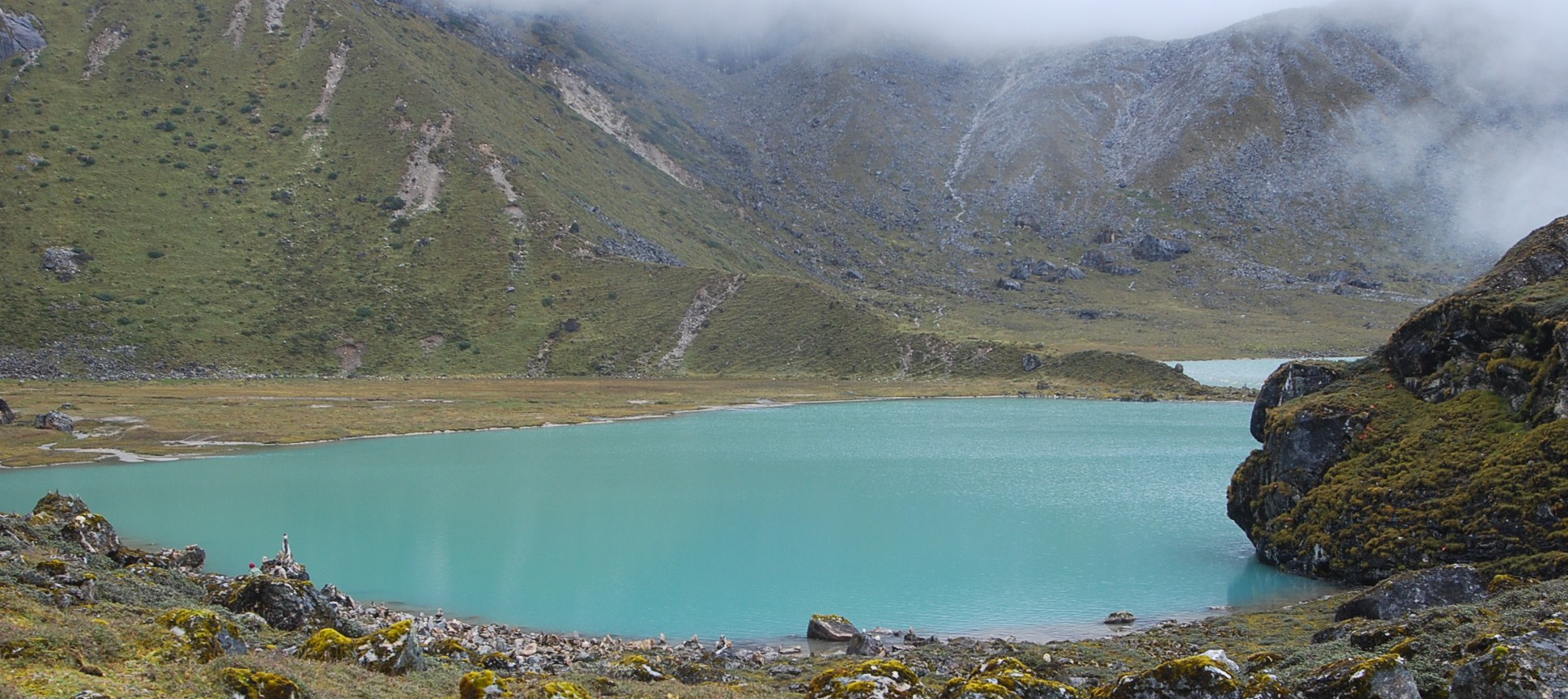
Tshokar - The White Lake is a symbol of peace and tranquility in Singye Dzong.
Tshokar also is known to have miraculous powers for sad people to gain happiness if visited. 
This is the Stupa that I constructed at Tshokar with help of my friend, Neljor Rock. Very Happy.
The end of Neyrimthang has such a waterfall that the photo studios in towns keep to attract buyers.
Four Drupthops and two Khandroms! Who knows we may actually be one gone unrecognized.
In Singye Dzong we get to see beautiful mountains if we move around early morning on clear days.
Mesmerizing! It doesn't matter which way you look around, the mountains around are astounding.
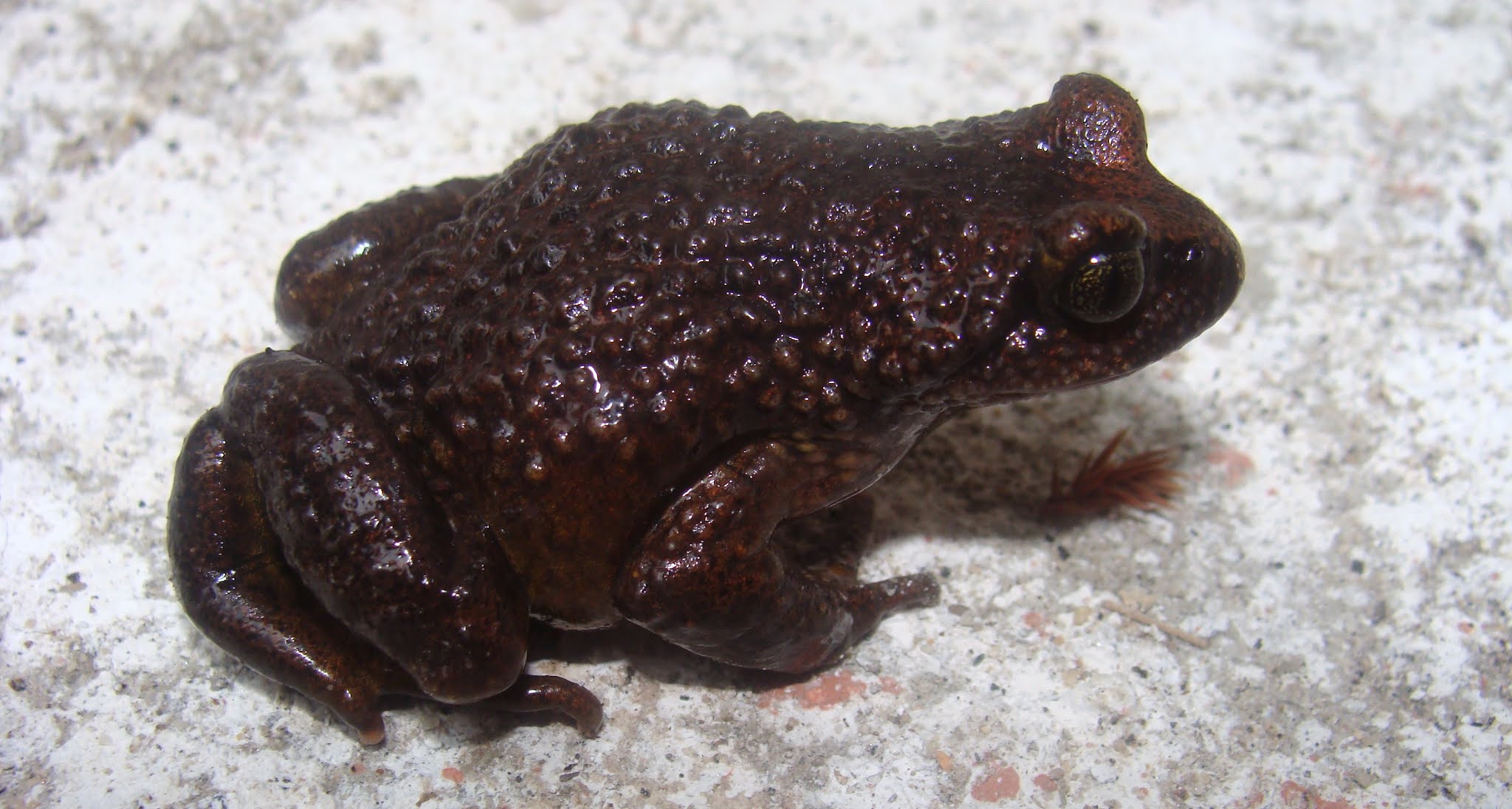
You also get to see my favourite animal which may not have been described. Cheers!
This is Raelmoteng Lhakhang built by Late Kanjur Rimpoche, the abode of Rowoche, Tibet.
How can you miss this Rimpoche who visited Singye Dzong six times in different years and time.😂

Tuesday, July 28, 2020

SPECIAL DAY OF YOUR CAREER

Prologue

On the afternoon of 26th July 2020, I was scrolling through Facebook as usual when I suddenly came across a Rangers' Day profile frame, made and used by quite a few of my Forest Ranger colleagues — all trained at the same college, around the same time. It struck me hard, because I had no idea how this Day came into existence, even though I'd been attending it since 2017. Earlier, I never bothered to find out who established it, where, why, or how — such celebrations depend on so many factors (funds, time, institutional support, and most importantly, leadership) that I simply assumed: maybe there's funding this year, so we're celebrating. But given how much enthusiasm Forest Rangers now show for this Day, it seems destined to become a formal, recurring occasion. With enough zeal, interest, and institutional backing, it could easily be celebrated every year going forward. During my years as a Forest Ranger in the strictest sense — October 1998 to December 2012 — I never once heard of such a day, though my research since suggests it was actually established back in 2007.

Origin of the Forest Ranger

As with so much of the medieval world, many things trace back to England — and the profession of "Ranger" is no exception. Rangers were originally employed to "range" through forests and landscapes, regulating the use of forest resources, particularly to curb poaching. Their job was to enforce forest laws across the countryside, including the royal forests, much like the mounted foresters of medieval Britain — and in many ways, that's still what Rangers do today. The term appears to derive from the Medieval Latin regardatores, first used in the 1217 Charter of the Forest in Great Britain, later translated into English as "ranger." Rangers were also called "regarders" in that charter, with duties described as going through the forests "making the regard as it used to be made at the time of the first coronation of King Henry." The earliest known letters patent for a ranger date back to 1341, and by 1455, England had formally established "all manner and singular Offices of Foresters and Rangers" across these forests. That's essentially how the profession began.

This bit of history is especially interesting to me — partly why I'm writing this — because I trained under the Rangers' Course as designed by the British for India, their former colony, where discipline was valued far more than understanding forest science or ecology. Even the entry requirements were remarkably open — you could be a mere matriculate or hold a PhD, and still qualify. There's even a system awarding 500 marks purely for "conduct," counted alongside written exams in the overall assessment. Simple as that — Bhutan adopted the Indian model of forest administration, itself inherited from the British. India still runs Forest Service colleges at various levels (Range, State Forest Service, and Indian Forest Service officer courses, at different institutions), and even today, our colleagues continue training at one or two of these colleges each year. So our system of professionalizing Rangers is a direct copy of the old British model — which means Bhutanese Rangers are, in essence, cut from the same cloth as Rangers anywhere else in the world.

The term "Ranger" was largely replaced by "Warden" in America during the 19th and 20th centuries. Still, "Ranger" has remained in continuous use globally to describe those entrusted with caring for a designated forest reserve or park. There's plenty of debate over who the world's first Ranger might have been — my guess is an Englishman, simply because that's where the profession originated, though I suspect this matters more to forest historians than to most of us. What would genuinely interest me, though, is knowing who Bhutan's first Ranger was. As for the broader history, the US Department of the Interior used the term "Forest Reserve Ranger" on badges between 1898 and 1906 — insignia that were, and remain, part of the Ranger uniform worldwide.

From here on, I'm borrowing directly from the International Ranger Federation's website, and I've put everything in quotation marks — because what we do here in Bhutan is essentially identical to what Rangers do everywhere else. There's no need to paraphrase what's already said perfectly well.

Duties, disciplines, and specializations

"The duties of the modern park ranger are as varied and diverse as the parks where they serve, and in recent years have become increasingly specialized. Regardless of the specific duties within any one discipline, the goal of all rangers remains the same: to protect park resources for future generations and to protect park visitors. This goal is achieved through professionalism and the overlapping efforts of different divisions. For example, an interpretive ranger may take on a law enforcement role by explaining park regulations to visitors and encouraging responsible stewardship of natural and cultural resources. Likewise, law enforcement rangers and other staff often support the interpretive mission by sharing information about park resources and facilities with visitors. This spirit of teamwork is underscored by the fact that, in many cases — particularly in the U.S. National Park Service — all rangers share a common uniform regardless of their specific role."

Law enforcement

"Law enforcement rangers hold police powers and enforce national, state, provincial, and/or local laws, as well as park regulations. In some developing countries, rangers patrolling natural preserves may be heavily armed, functioning almost as paramilitary units against organized poachers or armed groups. In many other developing countries, rangers carry firearms while still working to build positive relationships with local communities and visitors. Within the U.S. National Park System, Law Enforcement Rangers serve as the primary police agency, sometimes supported by the US Park Police — especially in the Washington, DC and San Francisco areas. The National Park Service also employs Special Agents for more complex criminal investigations. According to U.S. Department of Justice statistics, National Park Service Law Enforcement Rangers experience the highest rates of felonious assault and homicide among all federal law enforcement officers. New York City has its own uniformed Park Ranger division — the Parks Enforcement Patrol — responsible for patrolling city parks, pools, and beaches."

Interpretation and education

"Park Rangers provide a wide range of informational services to visitors — from practical guidance like directions, train timetables, and weather forecasts, to interpretive programs designed to foster stewardship of park resources. This interpretation can take many forms: guided tours covering history and ecology, slideshows, talks, demonstrations, informal conversations, and historical re-enactments. Rangers may also lead more structured, curriculum-based educational programs that complement what students learn in traditional classrooms, often aligned with national or local education standards. Regardless of their primary role, all uniformed rangers are generally expected to be knowledgeable about the natural and cultural resources under their care."

Emergency response

"Rangers are often trained in wilderness first aid and participate in search-and-rescue operations to locate people lost in the wilderness. Many parks require law enforcement rangers to maintain certification as Emergency Medical Responders, EMTs, or Paramedics. Depending on the park's needs, rangers may also be trained in high-angle rescue, swift-water rescue, scuba diving, or even serve as helicopter pilots or crew members."

Firefighting

"Rangers are often the first to spot forest fires and are frequently trained in wildland firefighting, and sometimes structural firefighting as well. They also enforce regulations around campfires and other fires on park lands. When a fire grows beyond their control, rangers call for backup and evacuate the area until additional firefighters arrive."

Dispatch

"Some rangers serve as park protection dispatchers — answering emergency calls and directing law enforcement rangers, firefighters, or EMS crews by radio. Dispatchers provide callers with pre-arrival instructions to help keep them safe until help arrives, coordinate multi-agency emergency responses within park boundaries, and use computer systems to check criminal histories during stops. They also handle other duties like lost-and-found reports and monitoring CCTV and fire alarm systems. Dispatchers fall under the Park Protection Division."

Scientists and scholars

"Rangers are responsible for protecting the natural and cultural resources in their care — which includes gathering and preserving knowledge about those resources. As a result, many rangers are also trained scientists or historians: archaeologists, biologists of various specialties, ecologists, fire scientists, geologists, hydrologists, paleontologists, soil scientists, volcanologists, and more. These rangers study, monitor, and report their findings — through peer-reviewed papers as well as internal reports — contributing to the knowledge shared through interpretive and educational programs, and informing decisions made by park managers."

Maintenance

"Some rangers handle routine maintenance of infrastructure and equipment — like fire rings — particularly when preparing for winter closures or spring reopenings. They're often the first to notice vandalism or weather-related damage to roads, trails, and campgrounds."

Administration

"In many cases, administrative staff are officially classified as park rangers and may wear the same uniform while working behind the scenes — handling policy, budgets, technology, human resources, and other operational areas. Management-level administrative roles are often filled by people who've worked their way up from field positions, and as a result tend to be cross-trained across multiple areas of park operations." (See my once multi-talented colleagues in the figure below.)

 Remembering my Trashigang Team Mates on the eve of 2020 World Rangers' Day

 
Worldwide ranger deficit in developing countries
The Adopt A Ranger Foundation estimates that protected areas in developing and transition countries need roughly 150,000 rangers worldwide. While there's no precise data on how many are currently employed, it's likely that fewer than half of these protected areas have any rangers at all — and those that do are typically understaffed by at least 50%. This points to a global shortfall of around 105,000 rangers across developing and transition countries.

Dr. Kenton Miller, one of the world's foremost conservationists, put it this way: "The future of our ecosystem services and our heritage depends upon park rangers. With the rapidity at which the challenges to protected areas are both changing and increasing, there has never been more of a need for well-prepared human capacity to manage. Park rangers are the backbone of park management. They are on the ground. They work on the front line with scientists, visitors, and members of local communities."

Adopt A Ranger considers this shortage the single greatest limiting factor in effective conservation across 75% of the world — yet currently, no major conservation organization, Western nation, or international body is directly addressing it. The Foundation was established to draw global attention to this urgent issue: protected areas left without field staff. Its work focuses on raising funds to support rangers on the ground, while also helping governments in developing and transition countries assess realistic staffing needs and develop staffing strategies.

Around the globe, park rangers stand on the front line of efforts to protect our natural heritage. World Ranger Day offers a chance to support that work — from environmental advocacy to public education — and to honor those who have lost their lives in the line of duty. There are estimated to be more than 100,000 reserves, parks, and protected areas worldwide. The day was created by the International Ranger Federation and first observed in 2007.

Interestingly, while many assume Yellowstone is the world's oldest national park, there's actually one over a century older: the area surrounding Bogd Khan Uul Mountain in Mongolia, protected since 1778. Each year, events are held worldwide to mark World Ranger Day — guided walks, screenings of the documentary The Thin Green Line, and more. If nothing is happening in your area, consider organizing something yourself to help raise awareness of the vital role rangers play.

What is a Ranger?
A "Ranger" usually refers to a forest or park ranger — someone responsible for preserving and protecting parklands and protected natural areas. Rangers typically work alongside other staff and volunteers to maintain trails, bridges, stiles, and gates, while also serving as the eyes and ears of the park authority, spending much of their time out in the field. They act as a bridge between park management, local communities, and visitors — drawing on deep local knowledge of the park's history, wildlife, and notable sights to answer questions from the public.

But the role goes far beyond this. Rangers must constantly watch for potential hazards, and working around wild animals carries real risk. Becoming a Ranger requires both practical field skills and relevant knowledge, usually alongside a degree in environmental management, conservation, or a related field.

The true dangers of being a park ranger
It's easy to assume the greatest risks rangers face come from wildlife or rugged terrain — but that's often not the case. Statistics show that assaults on park rangers are at an all-time high, with rangers now facing a higher assault rate than FBI agents or border patrol officers. Experts attribute this rise to a combination of factors: visitor numbers have increased significantly, while ranger numbers have dropped by roughly 50% compared to the 1980s. So while wildlife remains a genuine occupational hazard, it's far from the only — or even the primary — danger rangers face today.

History of World Ranger Day
The first World Ranger Day was held in 2007, marking the 15th anniversary of the founding of the International Ranger Federation (IRF). The IRF was established in 1992, when three organizations — the Association of National Park Rangers (USA), the Scottish Countryside Rangers Association, and the Countryside Management Association (representing rangers across England and Wales) — came together and signed a joint agreement. The goal was to build support and awareness for the critical conservation work rangers perform around the world.

How to celebrate World Ranger Day
There are plenty of ways to get involved and mark the occasion.

Raise money for Ranger projects — One meaningful way to honor rangers is by fundraising for causes that support their work — whether that's helping the families of fallen rangers or funding equipment and training for those in the field. Community-based ideas tend to work best: a fun run, a cake sale, or selling handmade products and donating the proceeds. The format doesn't need to be elaborate — what matters is getting people involved and raising both money and awareness.

Pause for a moment — Sometimes the simplest gesture is the most meaningful. Take a moment to reflect on everything rangers do for the world, and remember those who have made the ultimate sacrifice protecting our planet's natural and cultural treasures.

Spread the word — Beyond fundraising, you can raise awareness through blogging and social media — sharing infographics, fact sheets, or even just a personal message to friends, family, and followers about the work rangers do.

Host an event — Organize a gathering at home, school, work, or a community space. Use the occasion to educate others about the role of rangers and inspire them to support the cause.

World Ranger Day is a chance to learn more about the incredible — and often dangerous — work rangers do every day, and to pause and show genuine appreciation for their efforts, including remembering those who gave their lives in service of our shared natural heritage.

Tuesday, July 14, 2020

FIRST REPORT ON THE OCCURRENCE OF MONESES UNIFLORA IN BHUTAN


Introduction

Bhutan is home to many flowering and non-flowering plants. This report intends to provide a basic information on one species of flowering plant Moneses uniflora for the first time from the Himalayan Kingdom of Bhutan.

Geographical Distribution

Moneses uniflora is reported from China, Japan, North Korea, Mongolia, Russia and is known to be widely distributed in Northern Temperate and Sub-Arctic zones, particularly Europe (Flora of china at http://www.efloras.org/florataxon.aspx?flora_id=2&taxon_id=200016134). However, this is the first record of this plant in Bhutan from Chelila. The author found this plant on 25th June 2015 on his first plant search in the particular area and again on 1st July 2018 from the same spot on his second plant expedition at an elevation of 3430masl within the geographic coordinates of 27°23’19.00” N 89°20’52.04” E.
Moneses uniflora
Field observation 
 
It is a single white nodding flower herb with 3 or more whorled simple deep green leaf, alternate at base and tooth/serrated at the edge of the leave blade. Flowers symmetrical with 5 petals and 5 sepals. Stem glabrous erect and not branched. Roots are long, slender and branched. It shares its habitat with wild Frageria nubicola, Iris sp, Orechis foliosa and Rhododendron shrubs grown on decaying needles and mosses of dry spruce forests with open slopes. It is also found in slightly disturbed areas along the road sides on moist soils. The flowering time as observed in the field in case of this particular location is from late June to July. It has been observed in east or southeast facing slopes (aspect). The soil type preferences need to be assessed in future.  
 
Literature Review
 
Linnaeus in 1753 named it as Pyrola uniflora from the specimens collected from Europe. Later in 1843 Thomas Nuttal renamed it as Moneses reticulata as mentioned by Richard Salisbury on creating a new genus of Moneses in 1700s. The current nomenclature of Moneses uniflora was given by one Asa Gray in 1848 (https://www.swcoloradowildflowers.com).

The flower of the plant is said to be used as medicinal remedy by native American tribes for the treatment of skin rashes, cold, throat pain and analgesic (Flora of North America; http://www.efloras.org/florataxon.aspx?flora_id=1&taxon_id=200016134). The plant is also used for the treatment of bunions and corns in humans simply by bandaging the flowers on the affected area (http://www.borealforest.org/herbs/herb25.htm).

Description
 
The evergreen perennial herbs grow 3-10 cm in height (Borealforest.org) and is 0.2–0.6 mm in diameter (flora of Pakistan). Leaves are finely toothed and is round/oval shaped, arranged in whorled and opposite at the base. Leaves are light green colour underneath and shiny green on the upper surface and is 6-22x5-20mm in size (Flora of North; America eflora.org). Flowers are single with leafless stalk, white coloured with 5 spreading petals and 10 stamens. Stigma are usually lobbed (5 no) and appears in mid-summer (exact time period of field visits of the author). Fruit are spherical with erect capsules measuring 6-8mm cross, contains many tiny seeds which matures in late -summer (http://www.borealforest.org/herbs/herb25.htm). It grows in cool and moist woodland, preferably with deep mosses of mix-conifer forest 
                                                         Location map of the species


Flowering time: June to July

References
Flora of north America; (Accessed on June 5th, 2015 at http://www.efloras.org/florataxon.aspx?flora_id=1&taxon_id=200016134)
Flora of China. Accessed on July 5th, 2018 at: http://www.efloras.org/florataxon.aspx?flora_id=2&taxon_id=200016134)
Flora of Pakistan. Accessed on July 5th, 2018 at: http://www.efloras.org/florataxon.aspx?flora_id=5&taxon_id=200016134
Borealforest.org. Accessed on July 5, 2018 at: http://www.borealforest.org/herbs/herb25.htm
Wild Flowers. Accessed on July 5, 2018 at: https://www.swcoloradowildflowers.com/White%20Enlarged%20Photo%20Pages/moneses%20uniflora.htm

Authors: Gyeltshen Dorji and Jigme Tshelthrim Wangyal, Jigme Khesar Strict Nature Reserve, Haa
Suggested citation: Dorji, G. and Wangyal, J. T. (2020). FIRST REPORT ON THE OCCURRENCE OF MONESES UNIFLORA IN BHUTAN. https://www.blogger.com/blogger.g?blogID=4186552794921548147&useLegacyBlogger=true#editor/target=post;postID=7652056258630057142;onPublishedMenu=settings;onClosedMenu=settings;postNum=0;src=link


IMPRESSIVE LIFE EXAMPLES


Who said you should always be systematic? Random numbers sometimes do wonders! So, I picked some random numbers from here and there and I am putting it here, just for me. Those who read this, please be informed that these lines impressed me so much that I became so tempted to steal and thus I stole!
Someone who told her problems are solved because she does not fight!
 
She smiled and said to me “I started succeeding when I started leaving small fights for small fighters. I stopped fighting with those who gossiped about me, I stopped fighting with my in-laws, I stopped fighting for attention, I stopped fighting to meet public expectations of me, I stopped fighting for my rights with stupid people and I left such fights to those who had nothing to fight for. I started fighting for my vision, my dreams, my ideas and my destiny. The day I gave up on small fights is the day I started becoming successful. Some fights are not your worth your time. My humble request to you is please stop fighting, be it with your husband, with your children, with your in laws, or with your servants at your home. Please never fight. No matter, how big your house is, no matter how huge your bank balance is, no matter how recent your car is, no matter how powerful your position in life is, at the end, the size of our grave will all be the same. So, please remember that the most important lesson for all of us to learn if you want to become successful be it in your family, be it in your career, be it in any walks of life; shed your egos, ego is killing mankind. If all of us can shed our egos, I’m sure there will be peace on earth and there will be progress and prosperity.

That girl you call fat, she is starving herself. That guy you made fun of crying; his mother is dying. That boy you pushed the other day, he could be abused at home. And that old man that you made fun of being deformed, he fought for our country. We think we know what everyone is going through, but the truth is we have no idea.
Don't blow out other's candle!
 
Blowing out someone’s candle does not make yours shine any brighter. And if you are trying to pull people down, you are already below them. And for those of you being put down, bullied or pushed back, recognize that if someone is making you feel you are not good enough, you are allowing them to do that. See, when someone says we are beautiful, we believe them for like a moment. But when someone says you are ugly; we believe them for a life time. Our mind constantly tricks us into amplifying the negatives and minimizing the positivity. But it is our choice not to let that in. 
India's greatest man
 
It was Gandhi who said that “I will not let anyone walk through my mind with their dirty feet.” See, we all have a choice to let things in; whether it is energy, words, feelings or emotions. It is our responsibility to keep our space the way we want it to be. And we will have to recognize that our words and actions have impact on others. There are so many people today dealing with so much that even the smallest action can become a huge trigger in their personal life. And remember those who judge will never understand, and those who understand will never judge. 


Sunday, June 7, 2020

PRAISING THE LORD OF WISDOM


Obeisance to the Divine Protecting Lord and Teacher Manjushri,
 
Whose Wisdom shineth forth gloriously, free from the two-fold mental gloom – like the sun free from clouds,
 
Bearing the sacred volume against his heart to symbolize His perfect knowledge of all Truth in its very reality.
 
Regarding those who are still in the captivity of the ocean of existence, enveloped in ignorance and its attendant suffering,
 
As a mother does her only son, and calling on them with his divinely sweet voice possessing the sixty vocal perfections,
 
The deep thrilling and thunder – like resonance of which arouses them from the deep sleep of ignorance and frees them from the fetters of Karma,
 
Bearing the Sword of Wisdom for cutting the weeds of suffering and lighting up the gloom of ignorance.
 
Pure from all Eternity, endowed with divine attributes of those who have passed beyond the ten degrees of 
 
Perfections, O, Thou, chief amongst royal princes,
 
O, Thou, dispeller of the gloom of my heart, adorned with the hundred and twelve beautifying ornaments, obeisance to Thee.
 
Let the radiance and glory of thy Wisdom, O, Loving One,
 
Dispel the sloth and gloom of my heart.
 
Graciously bestow on me the light of courage and intellect,
 
That I may understand the sacred words and scriptures alright.

Jitsun Jampelyang - the Lord of Wisdom, it is time that you give me all your blessings!
Ugyen Guru Rimpoche - An extraordinary man from Swat Valley, don't leave me alone even a minute.


Jigme Tshelthrim Wangyal

When we think of Bhutan, we often picture majestic Himalayan peaks, pristine forests, and Gross National Happiness. But beneath the forest f...